How to Build a Welding Student Portfolio
A good portfolio shows what a student can actually do with a torch or a stinger. It helps them land a job, an apprenticeship or a spot in a college program, and it gives you a record of their growth over the year. Here's what to put in one, how to get good weld photos, and a checklist you can hand to students.
Why welding students need a portfolio
A diploma or a grade on a transcript doesn't tell an employer much about a welder. A portfolio does. Students can show it to:
- Employers and shop foremen, who want to see clean, consistent welds in several positions.
- Apprenticeship programs and community colleges, which may place students by skill.
- SkillsUSA and other competition judges, as part of an employment or career portfolio.
- Themselves. Looking back at their first beads next to their latest fillet welds is motivating.
For you, a portfolio is evidence of student progress for grades, parent conferences, advisory committees and program reviews.
What to include
1. Weld photos, organized by process and position
This is the core of the portfolio. For each weld, record the weld type (beads, fillet, groove and so on), the process (SMAW, GMAW, FCAW, GTAW), the position, the electrode or wire, the base metal and the date. Photograph the face, and the root where it matters. Keep early work alongside later work so the progress is visible.
2. Scores and feedback
A photo alone doesn't say whether the weld was good. Include the score against your rubric (bead consistency, cleaning, starts and stops, travel angle, and so on) and a sentence or two of feedback.
3. Student reflection
Have students answer one question after each weld: "What will I do differently next time?" It takes a minute, and over a semester it shows how they think about their own work. Employers notice that.
4. Projects and fabrication work
Fixtures, carts, trailers, art pieces, anything built from a print. Include photos of the finished piece plus the paperwork: the print, the cut list, a short write-up of what they did and what went wrong.
5. Safety training and employability skills
Record safety tests passed and equipment checkoffs. Employers care just as much about attendance, communication and work ethic as about bead appearance, so a record of those belongs here too.
6. Certifications and test results
If your program offers certifications or weld tests (AWS, NCCER, state or district credentials, bend tests), include copies or results. Don't list a credential unless the student actually earned it.
7. A short resume
One page: contact info, processes and positions they can run, certifications, shop experience and references. Put it at the front of the portfolio.
How to photograph welds
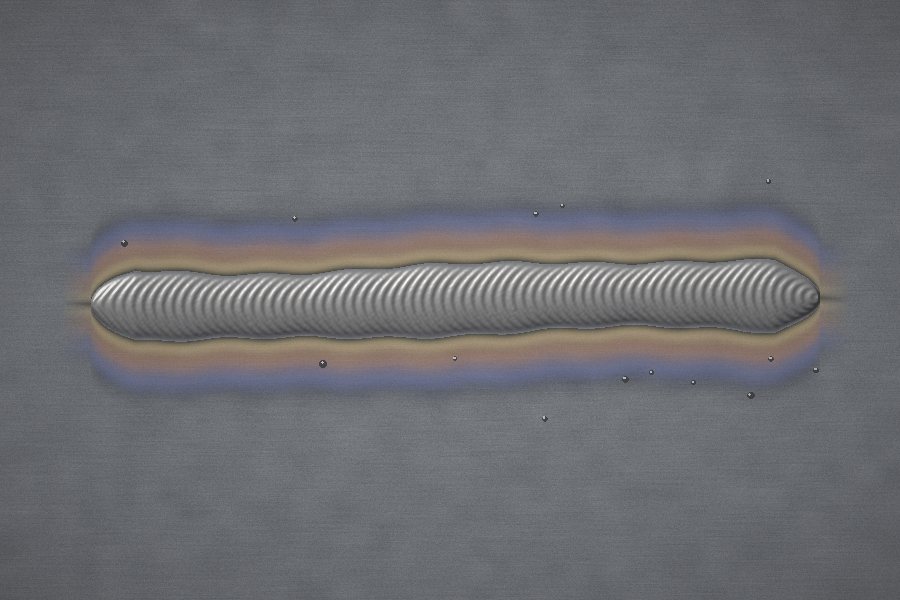
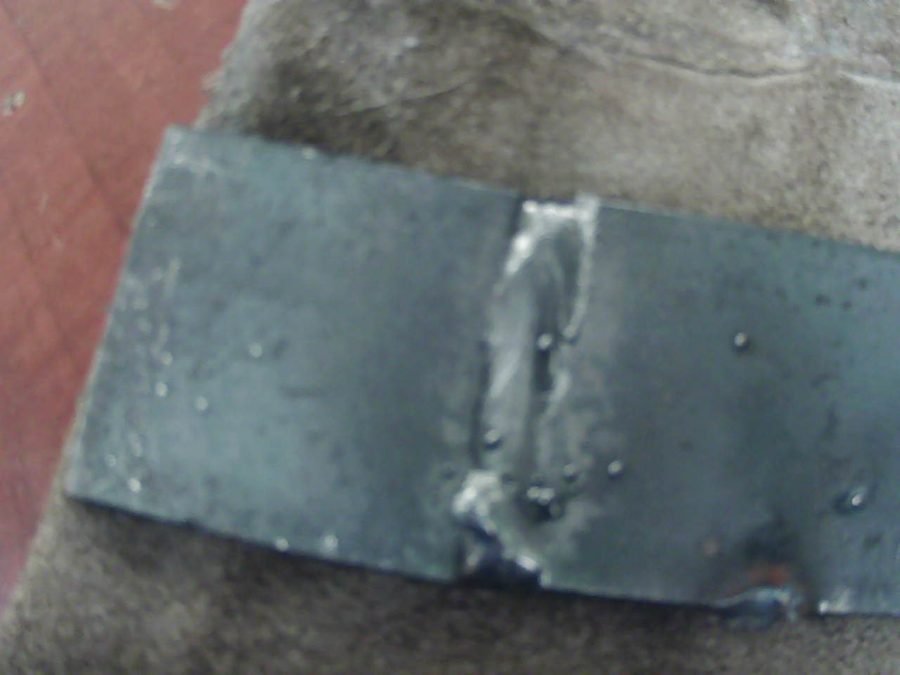
Most portfolio photos fail for the same few reasons: blurry, too dark, glare off the metal, or taken from too far away. A few habits fix almost all of them:
- Get close. The weld should fill most of the frame.
- Shoot straight on, not at a steep angle.
- Use even light. Avoid direct shop lights that cause glare; shade or a diffused light works better.
- Hold still and tap to focus. Check the photo before moving on.
- Clean the weld first. Remove slag and spatter, unless you want to show the as-welded condition.
- Get the whole weld in, including the start and the stop.
Paper binder or digital portfolio?
| Paper binder | Digital portfolio | |
|---|---|---|
| Setup | Printing, sleeves, storage space | Phone or tablet camera |
| Day-to-day | Easy to fall behind or lose pages | Students add work as they go |
| Feedback | Hand-written, often later | Can be attached to each weld right away |
| Sharing | One copy, has to be carried | Print or export a PDF when needed |
| In an interview | Feels solid in the hand | Print it, or show it on a phone |
Many programs do both: collect digitally all year, then print a clean copy at the end for interviews.
Printable student checklist
My welding portfolio
- One-page resume at the front
- Weld photos for each process I've run (SMAW, GMAW, FCAW, GTAW)
- Weld photos for each position I've welded
- Weld type, electrode/wire, base metal and date for every weld
- Score and instructor feedback for each graded weld
- "What I'll do differently" reflection for each weld
- Early work and recent work, to show improvement
- At least one project built from a print, with photos and paperwork
- Safety tests and equipment checkoffs
- Any certifications or weld test results I've earned
- Attendance and employability record, if my program tracks it
Print this page and the checklist prints cleanly on its own, without the photos and site menus.
How WeldFolio handles this
WeldFolio was built by a welding instructor to make this part of the job easier. It's free for early programs, and new teachers are welcome to join.
- Every weld goes straight into the portfolio. Students submit a photo from a phone, tablet or shop webcam. It's saved with the weld type, electrode, base metal, score, their self-ratings, their reflection and your comment.
- Instant feedback. WeldFolio can score each weld photo against your rubric automatically, so students get feedback even when you're across the shop. You can change any score, or turn auto-grading off and grade it yourself.
- Portfolio Projects cover work that isn't a single weld: fabrication builds, safety plans, written assignments. You write the questions, and students add photos and can attach a PDF.
- CREW Score tracks daily Communication, Responsibility, Engagement and Work Ethic, so employability skills sit right alongside welding skills.
- One-click export. A student's portfolio exports to a PDF with their weld photos, or to Excel.
- Built-in photo tips show students what a usable weld photo looks like.
- English and Spanish for students.